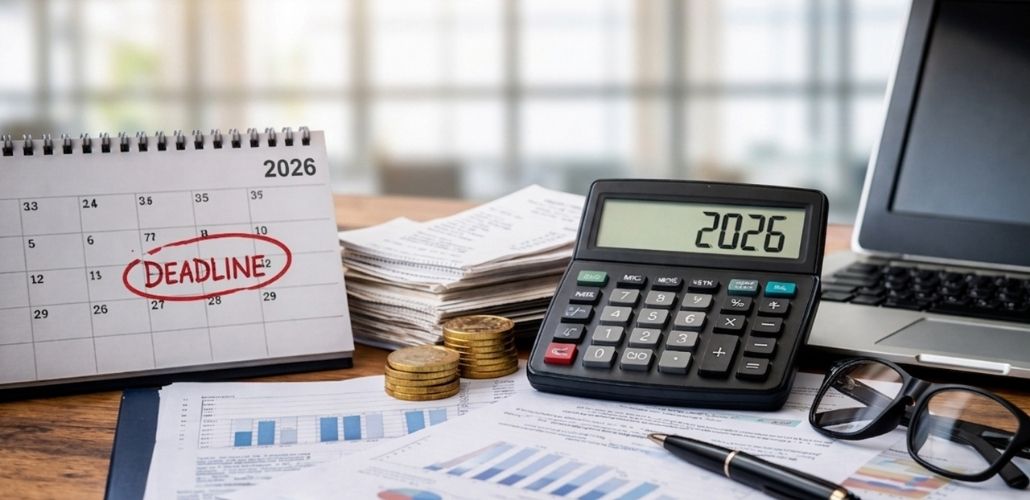
As the year 2026 is getting closer, the UK tax deadlines for 2026 are becoming really important for Chartered Accountants and businesses in the UK. There are some changes coming, like Making Tax Digital in 2026, so it is very important to understand the new timelines and what needs to be reported. If you do not follow the rules, you might get a penalty. Whether you take care of taxes for your business or you help other people with their taxes, getting ready for these changes is the best way to avoid problems and stay out of trouble.
In this blog, we will talk about the important changes, what businesses need to do to get ready for UK business tax and give some helpful tips to Chartered Accountants who are trying to figure out this new system.
Key Changes to UK Tax Deadlines in 2026
One of the biggest shifts in 2026 is the move from traditional annual submissions to more frequent reporting. Businesses and individuals will need to adapt quickly to meet the updated UK tax deadlines for 2026.
Quarterly Reporting Requirements
Making Tax Digital 2026 is a change. Many businesses and self-employed people who earn more than £50,000 will have to send in updates about their money every quarter. They will have to use software that HMRC says is okay. This is of doing the usual tax return at the end of the year. Each time they send in an update, it will be like a checkpoint. This will help businesses keep track of their taxes and stop them from getting surprises at the end of the year. Making Tax Digital 2026 is about helping businesses with their taxes. Businesses will use Making Tax Digital 2026 to stay on top of their tax obligations.
Final Declarations & Year-End Submissions
With quarterly reporting, you still need to make a final declaration at the end of the tax year. This ensures all your income, expenses and allowances are accurately accounted for. For businesses and Chartered Accountants, understanding these deadlines is really important. This is because late or incorrect submissions could lead to penalties.
Changes are coming to HMRC penalties in 2026. If you miss deadlines or make errors in reporting, you could get points-based fines or traditional lump-sum penalties. So it is essential to stay proactive.
What Businesses Need to Do for UK Business Tax Preparation
Preparing for the changes in 2026 is not just about knowing the deadlines. It is about reorganising the workflows and adopting solutions for the UK business tax. Here are some steps to follow for UK business tax preparation:
- Adopt MTD-Compliant Software – Use Making Tax Digital 2026 tools like QuickBooks, Xero or Sage to help with reporting and reduce errors.
- Maintain Digital Records Consistently – Keep all the income, expenses and invoices in records. The UK business will not meet the HMRC standards if it only uses paper records.
- Plan Quarterly Checkpoints – Plan to review the data each quarter to verify it before submission. This will keep the UK business on track. Reduce last-minute stress.
- Educate Your Team – The team should understand the processes for bookkeeping or tax reporting. Training the staff early will prevent mistakes.
- Work with Chartered Accountants – CAs can provide guidance and double-check submissions, helping businesses comply and avoid HMRC penalty changes 2026. For businesses exploring the benefits and legal considerations of outsourcing compliance tasks, read our detailed guide on outsourcing compliance: pros, cons, and legal obligations
Following these steps will ensure that the UK business is well prepared for the changes in the tax landscape.
Understanding HMRC Penalty Changes 2026
In 2026, HMRC is going to start doing things a bit differently when it comes to penalties. Instead of just giving people a fixed fine, they will use a points system for things like late submissions, mistakes, or not following the rules under Making Tax Digital 2026. If people get many points, they will have to pay even more fines, so it is really important to get everything in on time.
Chartered Accountants have a role to play in helping their clients with this. They need to make sure their clients know what they have to do. When they have to do it. This means helping them meet deadlines and file their updates correctly so they do not get fined. The best way for Chartered Accountants to help their clients is to talk to them and keep a close eye on what is going on with their submissions. This will help reduce the risk of problems with HMRC and Making Tax Digital 2026.
Actionable Tips for Chartered Accountants and Businesses
The new tax rules can be a lot to handle. Here is a simple list to help you stay on top of things:
- Mark all the dates for quarterly updates and final declarations in your calendar.
- You should regularly update your records so that you can do your quarterly reporting without any problems.
- It is an idea to check your reports before you send them in so you can catch any mistakes early.
- You need to stay up to date with what HMRC says about penalties and following the rules.
- Using technology can really help; it can do a lot of the reporting for you, which means fewer mistakes.
By doing these things, both accountants and businesses can deal with the 2026 tax changes in an efficient way.
Conclusion
The UK tax deadlines for 2026 are really important for businesses and accountants. They have to do things now. The UK tax deadlines for 2026 mean businesses have to report every quarter because of Making Tax Digital 2026. There are also penalties because of the HMRC penalty changes in 2026. So it is very important to get ready. You need to do your UK business tax preparation. You should keep records, plan and work with good Chartered Accountants. This will help you follow the rules and not get too stressed.
To make sure your business is ready, you should start now. Get help from experts. You can talk to Rivercross today about getting help that’s just right for you and your 2026 tax compliance. They can give you advice.
FAQs
1. What are the main UK tax deadlines for 2026?
The main UK tax deadlines for 2026 include sending in reports under Making Tax Digital 2026 and final year-end reports. You have to send in each quarter on time to meet the UK tax deadlines for 2026. This is very important for your business.
2. Who needs to follow Making Tax Digital in 2026?
Making Tax Digital 2026 is for businesses, people who’re self-employed and landlords who earn more than £50,000 every year. They have to send in records and quarterly updates under Making Tax Digital 2026. This is a rule they have to follow.
3. How do the HMRC penalty changes for 2026 affect businesses?
The HMRC is starting a system where you get points if you miss a deadline or make a mistake. If you get many points, you will have to pay a fine. So it is very important to send in your reports on time. Making Tax Digital 2026 is making these changes.
4. How can businesses get ready for UK tax deadlines in 2026?
To get ready for the UK tax deadlines in 2026, businesses should use software that meets the Making Tax Digital 2026 rules. They should also keep records, plan quarterly checks and talk to Chartered Accountants. This will help them do their UK business tax preparation correctly.
5. Do all businesses have to send in updates in 2026?
No, not all businesses have to send in updates in 2026. Only businesses and self-employed individuals who earn above a certain amount have to do this. This is because of Making Tax Digital 2026. They have to follow these rules to avoid problems.