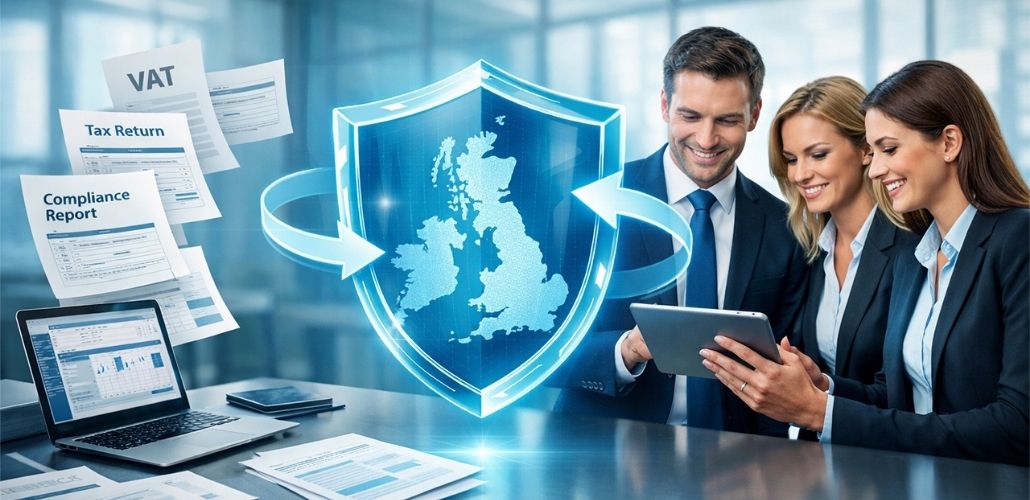
Running a business in the United Kingdom is really exciting. It can also be very tough when it comes to dealing with money and following the rules. From doing VAT returns to meeting audit deadlines and reporting requirements, the people who handle the money are having to do a lot more than they used to. If you stay on top of all the deadlines and rules, you can protect the money your business makes and also have some peace of mind.
Over the past few years, things have changed a lot in the way that tax and accounting work in the United Kingdom, especially with everything going digital and changes to audit rules. One thing that a lot of businesses are doing now to reduce the risks that come with handling tax and accounting in-house is using VAT outsourcing UK. This way, businesses can get help without having to spend a lot of money on people and resources in-house.
In this blog, we will talk about the problems that come with following the rules, explain why outsourcing can be an idea and tell you about the latest changes in UK accounting and audit that businesses should know about in 2026 and after that.
Why UK VAT & Tax Compliance Can Be Challenging
The United Kingdom tax and accounting rules are very precise. These rules change a lot. We do not always get a lot of notice. The United Kingdom is also moving towards reporting, which adds to the complexity of the tax and accounting rules. One big thing that is changing the tax and accounting landscape is Making Tax Digital (MTD). Making Tax Digital requires businesses that are registered for VAT to keep and file their tax returns using software that’s compatible with Making Tax Digital. From April 2025, all businesses that are registered for Value Added Tax must file their Value Added Tax returns digitally using approved systems. This is because the United Kingdom wants to get tax information in time and wants the tax information to be more accurate. A lot of organisations found it hard to make this change, especially if their accounting was not fully done on computers, which made it harder for them to follow the rules and made them need help from accounting specialists.
In addition to filing tax returns, businesses have to follow a lot of guidance from Her Majesty’s Revenue and Customs about Value Added Tax rules, how to keep records and how to make documents. This is all important for managing risk and being ready for audits.
The Making Tax Digital rules for Income Tax are going to apply to people who are self-employed and landlords by April 2026. This means more businesses will have to file their tax returns digitally.
It can be hard for businesses to keep up with all these changes and still keep records every month. This can be especially hard for teams that are also responsible for the business cash flow, payroll and other important things. The United Kingdom tax and accounting rules, like Making Tax Digital, are very important for businesses to follow. Making Tax Digital and the United Kingdom tax and accounting rules require a lot of work and attention to detail.
Benefits of VAT & Tax Outsourcing for UK Businesses
Outsourcing tax and compliance work gives growing businesses access to specialist knowledge that might otherwise be out of reach. Key benefits include:
Improved Accuracy and Reduced Risk
Outsourced teams focus exclusively on VAT and tax compliance, applying up-to-date guidance and checks to minimise errors and penalties. They ensure submissions comply with HMRC requirements and that audit trails are robust.
Predictable Costs
Instead of salaries, benefits, training, and software subscriptions, companies pay a defined fee for professional services. This makes budgeting simpler and often more cost-effective than building internal departments.
Access to Broad Expertise
A provider of outsourced accounting services draws experience from multiple industries and tax environments. They have likely encountered compliance situations similar to yours and can help prevent common pitfalls.
Time and Resource Freed Up
Your internal team can focus on strategic activities such as forecasting, management reporting, and business performance rather than time-consuming compliance tasks.
In a climate of continuous regulatory change, outsourcing is a strategic tool to balance risk, efficiency, and cost. For example, the need to adapt to MTD for VAT and future MTD income tax expansions shows how difficult it can be for internal teams to keep pace with technology and compliance simultaneously.
How VAT & Tax Outsourcing Works
The outsourcing process normally begins with discovery. This is where the partner figures out your processes and systems and where your data comes from. They want to know how you record transactions and what software you use. They also want to know who on your team is in charge of everything.
Then they set up a way for them to access your information. This is often done using cloud platforms. The outsourcing team can then get ready to do your VAT returns and check their calculations. They also make detailed working papers for you to look at. You are still in charge of saying yes or no to everything they submit. You can see what is going on through dashboards, regular phone calls and reports.
Sometimes, the outsourcing services might also do tax outsourcing. This means they help with corporation tax calculations and adjustments, yearly returns and all the extra paperwork that goes with it. A lot of companies that do this also help get everything ready for audits. They get all the paperwork in order. Make sure the numbers add up. This saves your staff a lot of time when things are really busy.
Communication, Being open with each other is really important when you outsource something. You need to get updates and have a clear plan for how things will work. Everyone needs to know what they are responsible for. This helps make sure everything is accurate. It makes you feel more confident in the whole process. Outsourcing is, about working together with the outsourcing team and the outsourcing process.
Current UK Accounting and Audit Updates Every Business Should Know
Audit Threshold Changes in 2025 and Beyond
From 6 April 2025, the rules about company audits have changed. Now a company needs to have a turnover of more than £15 million or have assets worth more than £7.5 million, or have more than 50 staff members to need an audit. A lot of companies that used to need audits might not need them anymore. But companies do not automatically get exempt from audits; companies need to check if they qualify for exemption. Companies need to look at the audit requirements for companies to see if they need an audit or not.
FRS 102 and Financial Reporting Changes
From 1 January 2026, the Financial Reporting Standard 102 rules are going to change. The Financial Reporting Standard 102 rules will require companies to report leases and the way they make money in a different way on their financial statements. This means the UK Accepted Accounting Principles will be more like the accounting rules used in other countries. These changes to the Financial Reporting Standard 102 rules may change how audits turn out for companies that have a lot of leases or own a lot of property and equipment such as companies with significant leases or companies with significant capital arrangements like companies, with significant leases.
Digital Filing Updates for Accounts and Returns
The UK company. The online tax returns service will stop working after 31 March 2026. Companies will have to send in their accounts and UK company tax returns using special software that has been approved. This shows how important it is for UK company accounts and tax returns to be done online in this way.
Audit Practice Amendments
The Joint UK Audit Regulations have been changed recently. These changes include rules for some audit work, like telling people about certain things. They also make it harder for audit firms to work in complicated areas. The new rules started in the middle of 2025. The Joint UK Audit Regulations are trying to make things more open and honest, and improve the quality of audits. The Joint UK Audit Regulations want to make sure that audits are done well.
Choosing the Right VAT & Tax Outsourcing Partner
Experience is really important. It should always be at the top of your mind. When you are looking for a company to work with, you need to find one that knows about the rules for reporting in the UK. They should be up to date with the changes to audit thresholds and they should know how to do digital filing. You also need to make sure they have security measures in place and that they have a clear plan for getting work done.
Good communication is the key to getting things done. When you work with another company, you want it to feel like they are part of your team, not someone outside who is helping you. This is especially important when things are changing, like with the digital rules for Making Tax Digital and the rules for reporting that are always shifting.
Tips for Maximising the Benefits of Outsourcing
Keep your records organised, so they are easy to find. Use technology that works with the systems you already have. Choose one person on your team to be in charge of talking to others. When you get a draft report, respond away. Let people know about any changes to your business as soon as you can.
Think of the people you work with as part of your team. They know a lot about industries and can help you find ways to do things better. They can also point out problems that you might not know about yet. Your business can really benefit from their experience. The people you work with can help you find ways to be more efficient and avoid risks.
Conclusion
As UK tax and accounting rules keep changing, getting help from outside can be really useful. It can help make things more efficient, reduce risks and help businesses grow. By choosing to outsource VAT in the UK and other accounting tasks, businesses can feel more at ease. Still follow UK tax rules even when the rules are changing.
By worrying about deadlines, you and your team can focus on coming up with new ideas, working more productively and making your business bigger. If you want to find out how a reliable partner can help you make compliance easier and grow your business, check out Rivercross today.
FAQs
1. What does VAT outsourcing involve?
VAT outsourcing is when you give the job. VAT preparation and filing to someone really good at it. This person or company will also do the reconciliation. Make sure you are following all the VAT rules. They are experts at dealing with VAT reporting and making sure everything is done on time. VAT outsourcing means you do not have to do these VAT tasks yourself so you can focus on other things. The specialist will take care of all the VAT work, including VAT preparation and VAT filing. They will make sure you are meeting all the VAT deadlines.
2. Will outsourcing work for small businesses?
Yes, Many small businesses find that outsourcing is a better way to save money than hiring people to work for them all the time. This is because outsourcing lets them get help from people who’re really good at what they do. Many small businesses like this because they can get expertise without having to pay for it all the time.
3. Does outsourcing reduce audit risks?
Yes, keeping records and accurate financial information helps to get ready for audits and makes audit problems less likely. Maintaining organised documentation and accurate financial records improves audit readiness and reduces the likelihood of audit challenges. It is because of documentation and financial records.
4. How do recent audit threshold changes affect my business?
From April 2025, the thresholds for audits will be higher. This means that a lot of companies may not have to do audits anymore. It depends on how much money they make, how big their balance sheet is and how many people they employ. You should check your company’s position carefully. The new rules about audits and the higher thresholds, from April 2025, will affect companies based on their turnover, balance sheet size and employee count.
5. What digital filing changes are coming in 2026?
From March 2026, companies have to send in their accounts and tax returns using computer programs that the UK says are okay because the UK is getting rid of the old way of doing things, where everything was filed together.